DocuWare IDP Solutions
Businesses need data they can access in an instant, so they can stay compliant, find documents quickly, and keep workflows running efficiently. But until now, extracting data from documents has been time-consuming and tedious. Intelligent Document Processing with DocuWare IDP can automate data extraction and document indexing — but it still struggles with unstructured documents like scanned PDFs, email attachments or photos.
DocuWare IDP leverages AI to solve this problem. With its proprietary Document Models and Generative AI (GenAI)-based extraction, it can interpret and uncover data even from complex or unstructured documents. This improves accuracy and ensures that relevant data is extracted — all without pre-defined templates. Documents are classified and indexed correctly and processed automatically. The result is a flexible, intelligent process that adapts to your documents, ensuring accuracy and efficiency every time.
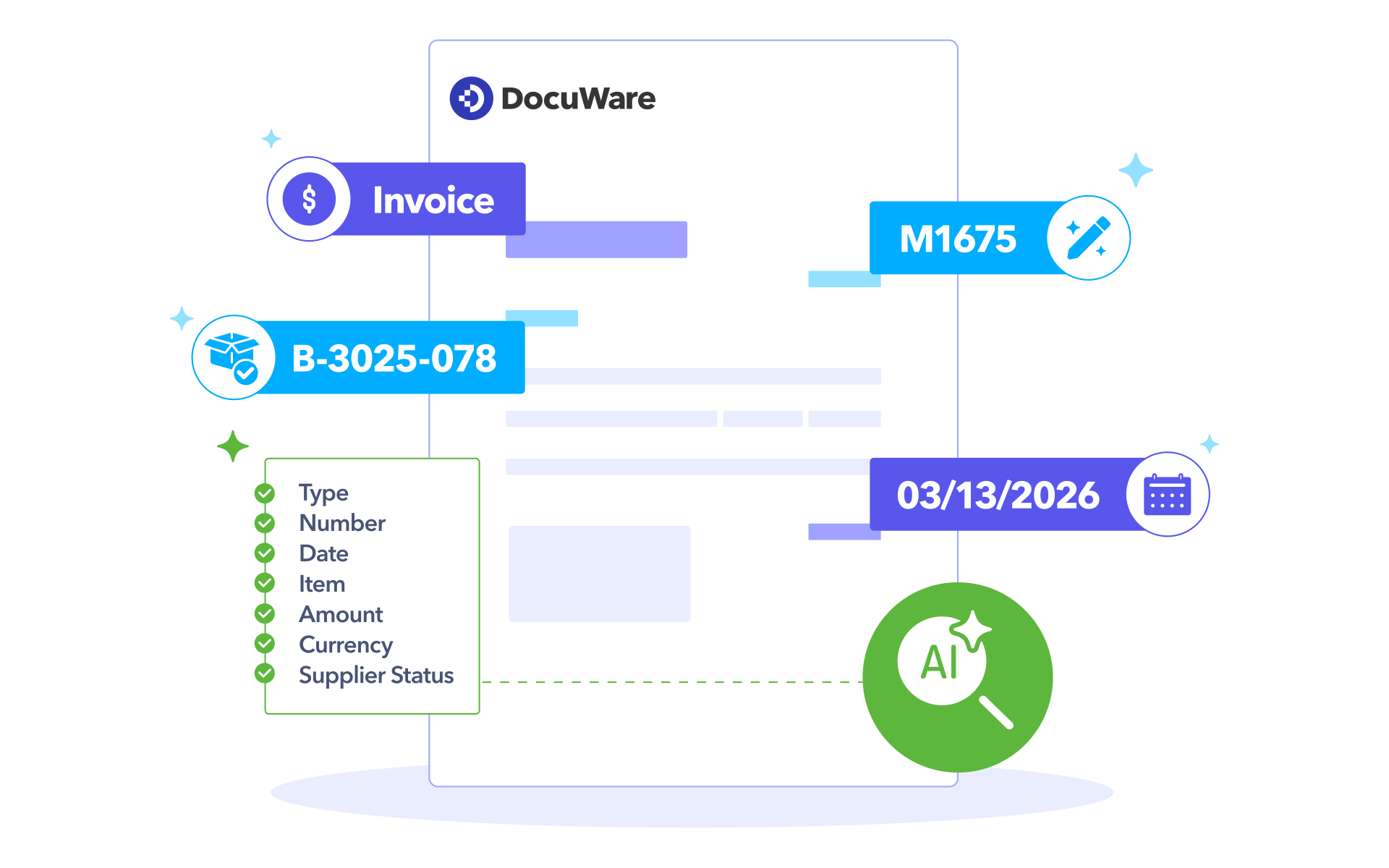
Boost automation rates
in business processes


What is the role of Intelligent Document Processing with DocuWare IDP in Document Management?
DocuWare uses DocuWare IDP as part of Document Management to automatically capture, organize, and understand documents.
This makes business processes easier and faster.

.png)
DocuWare IDP FEATURES
How AI-powered document
processing delivers
high-quality data
DocuWare IDP follows a flexible end-to-end process that turns unstructured content into structured, process-ready data. Each step can be used individually or combined to suit your needs.

.png?width=16&height=8&name=Vector%20(3).png)


.svg)
Pre-processing
Benefit from AI-powered document pre-processing that automatically crops scanned documents and PDFs.
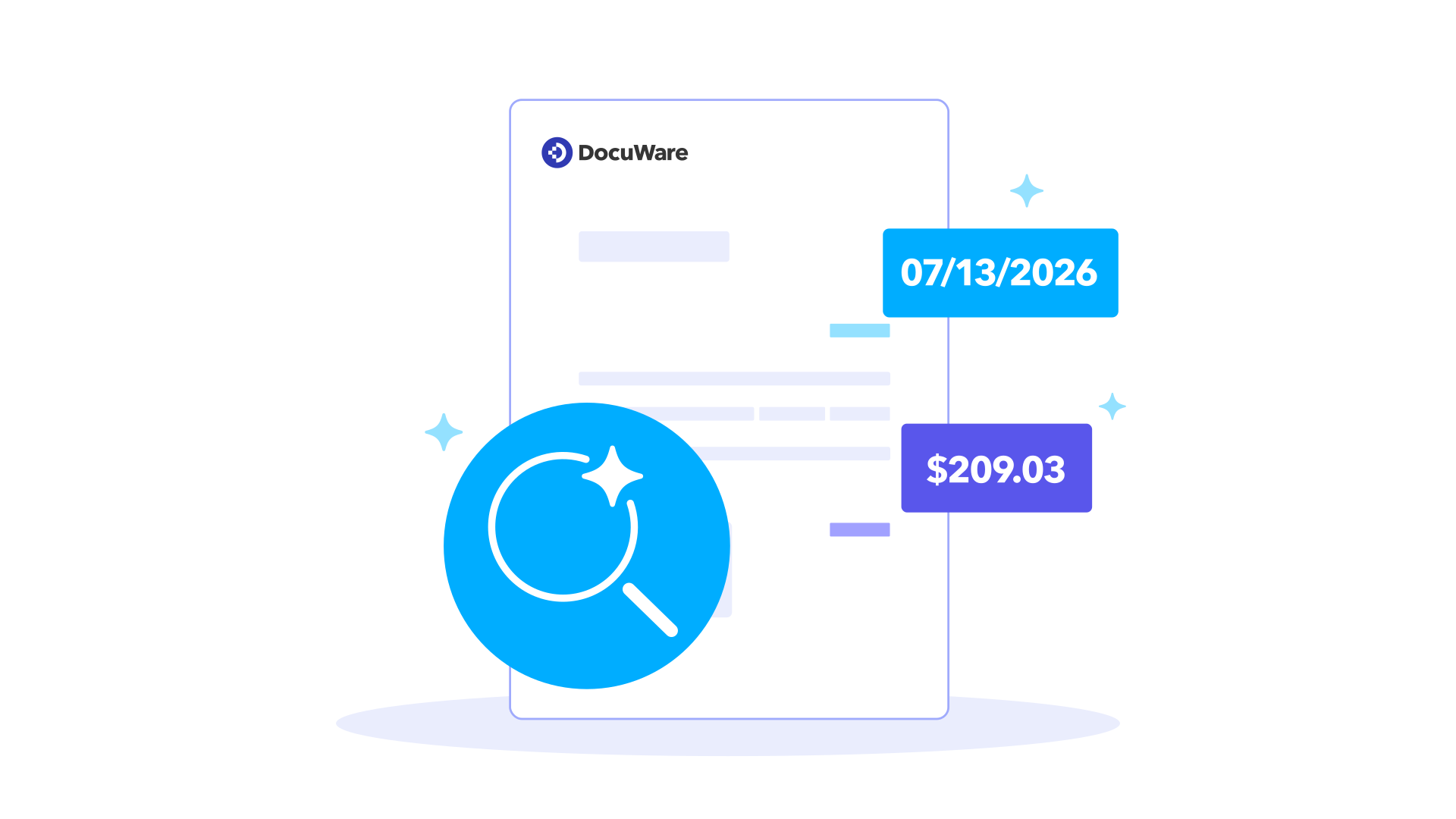
OCR & HTR
AI-powered OCR & HTR automatically reads printed and handwritten text from any document — including low-quality scans.
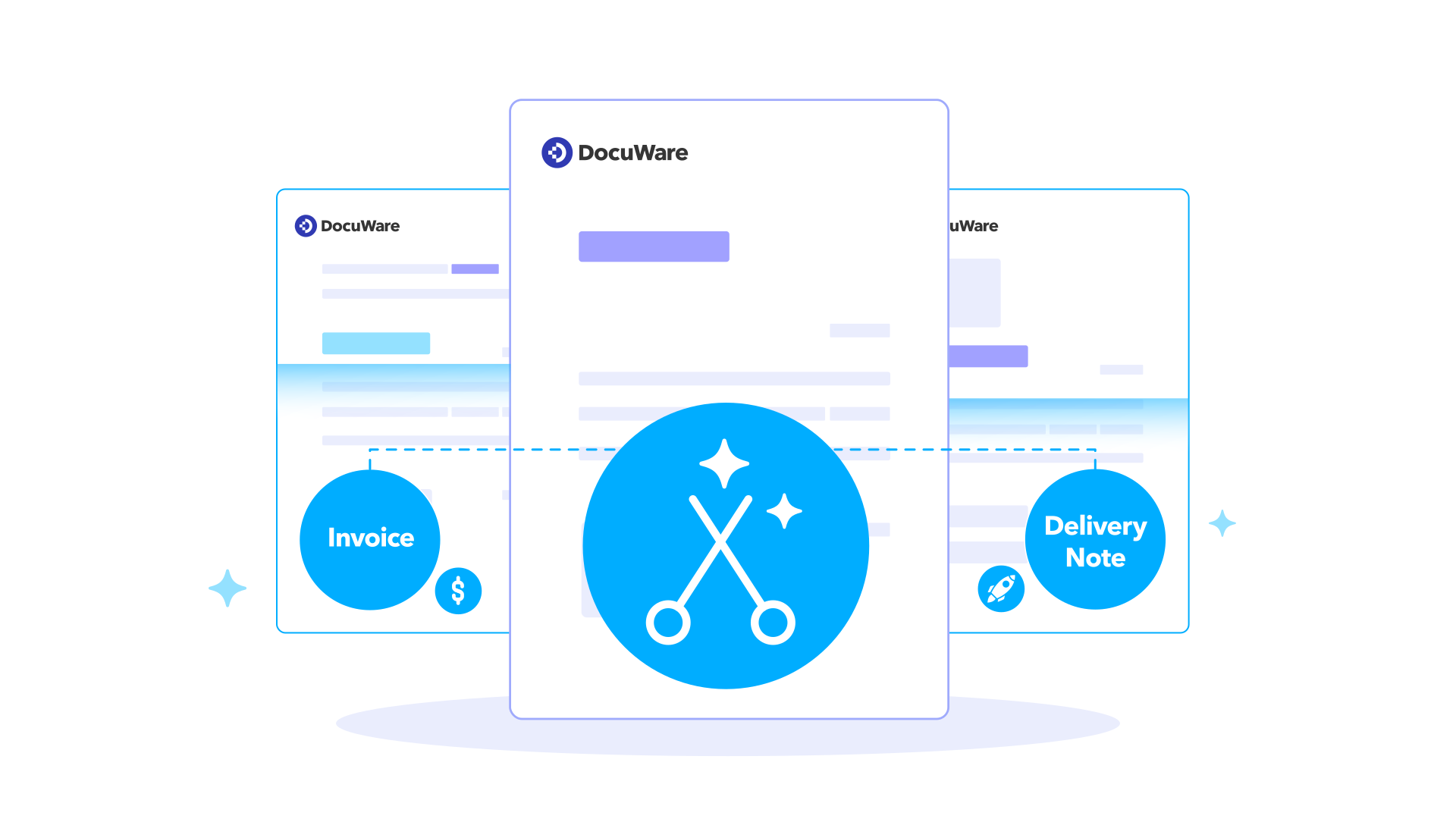
Splitting
Large or complex documents are automatically divided into logical units, enabling more precise classification and extraction at scale.
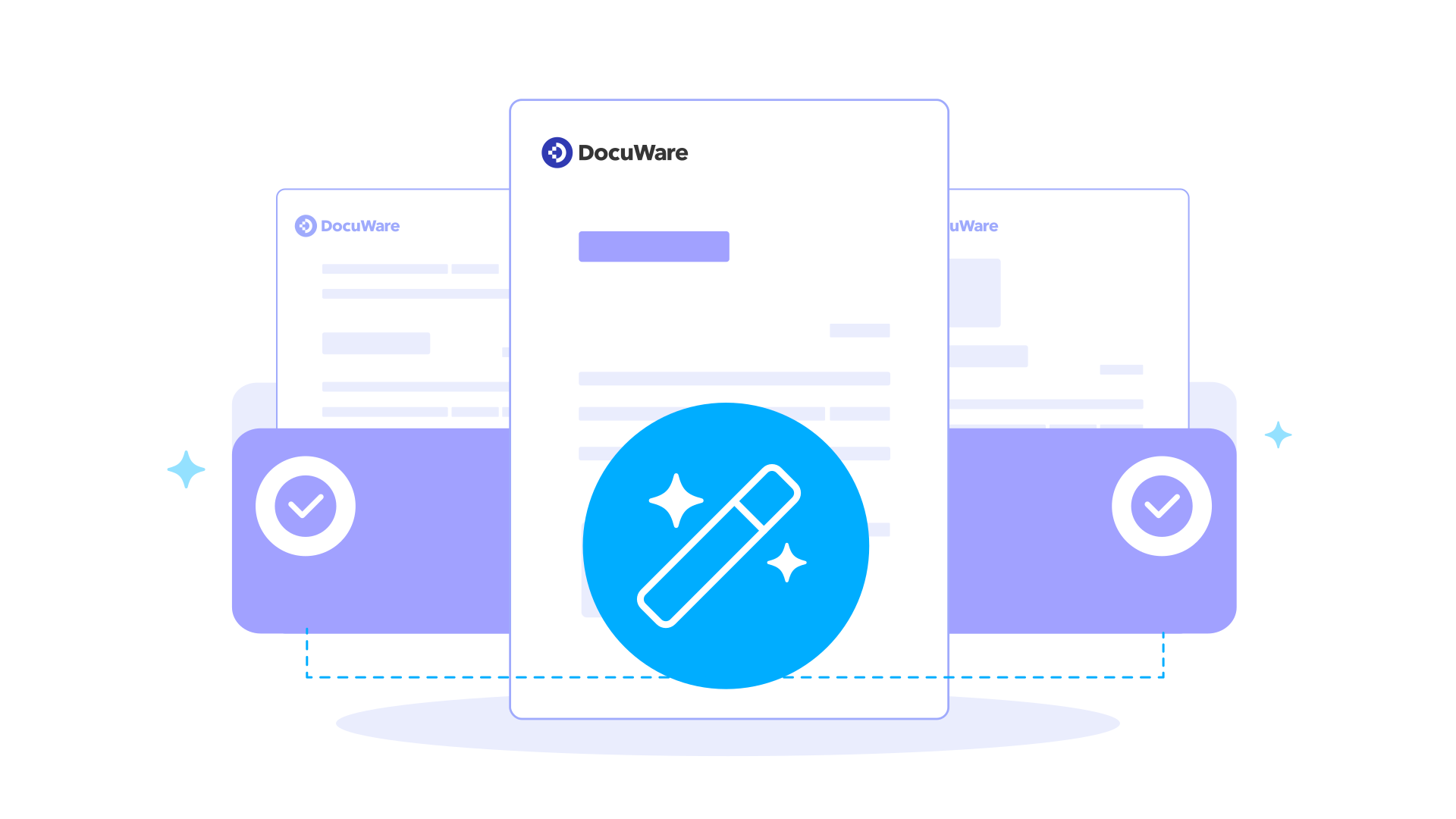
Classification
Save time and money by classifying your documents and automating subsequent processes, so your information is always in the right place at the right time.
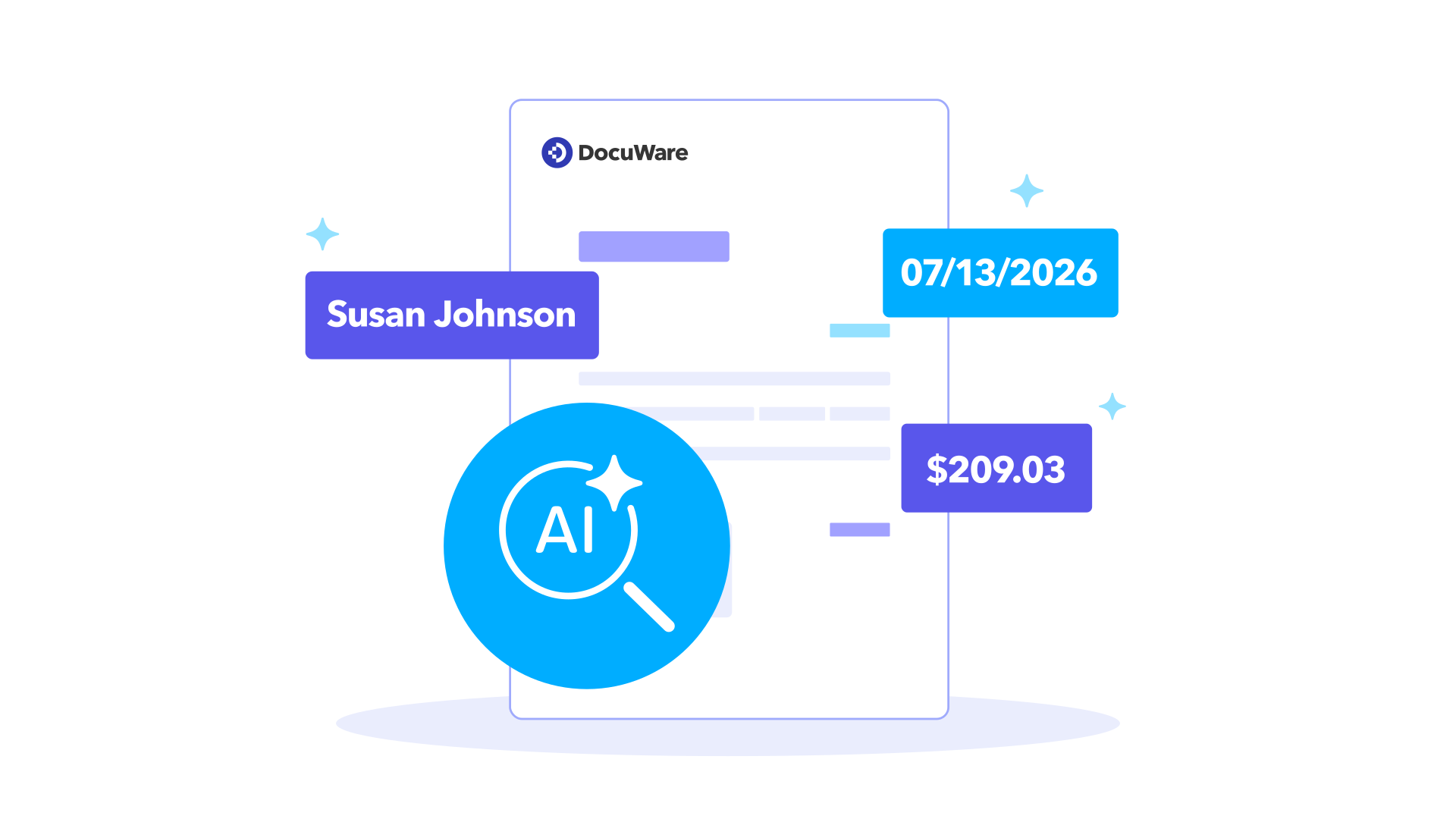
Extraction
Automatically capture all relevant information from your documents with AI-powered data extraction and deliver it in structured, ready-to-use formats.
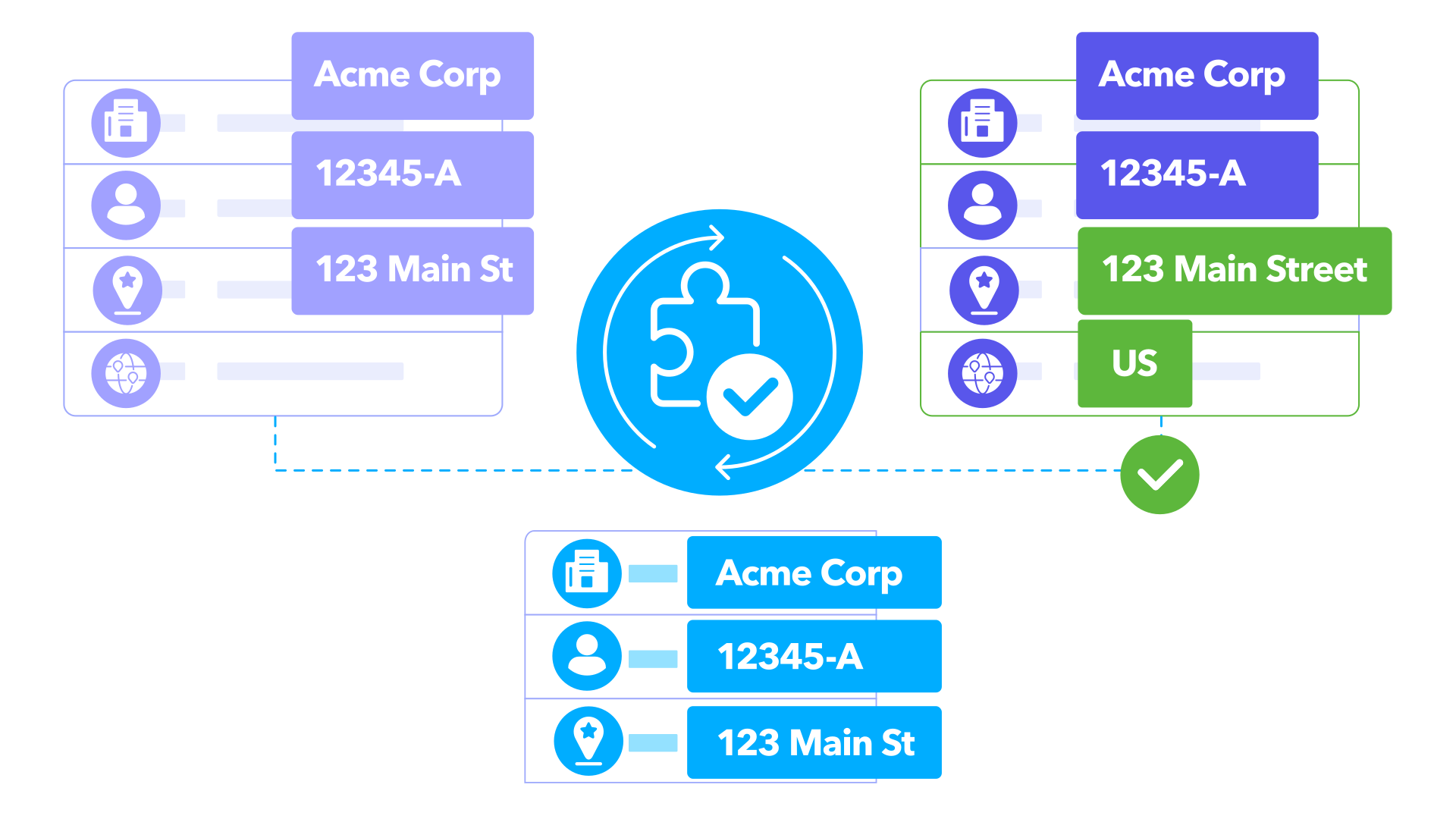
Master Data Matching
Compares extracted document data with master data to match records, validate results, and improve overall data quality and consistency.
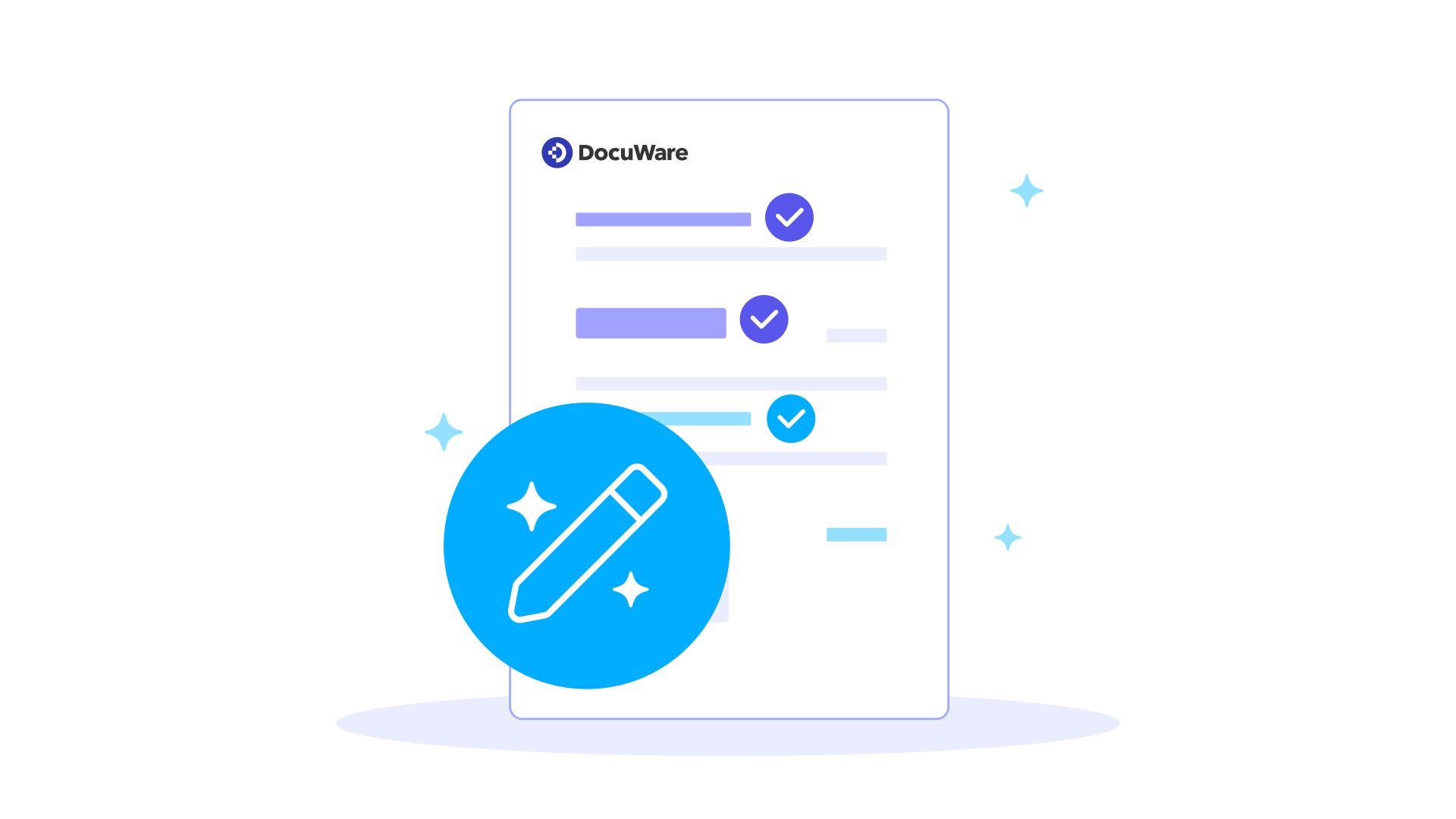
Validation
Users can review, correct, and approve extracted data directly in DocuWare IDP as part of the document process, ensuring accurate and reliable results before further processing.

GenAI extraction makes the difference

Zero Shot Extraction

Training with existing data

Continuous improvement through validation

Three-way invoice matching with supplier resolution

Master data-based invoice validation

Line-item accounting and tax validation

With IDP, the indexing runs in the background. We don’t have to do anything on that front anymore. From the invoice number to the date, invoice amount, total before and after taxes, and even the individual line items—all the key data is extracted reliably. It saves us an incredible amount of time—and also makes work more enjoyable.

Our goal with digitalization is to be able to continue scaling while maintaining the same team size. It should make no fundamental difference whether 100 or 1,000 vehicles go through our processes every day.

With DocuWare, we bet on the right horse. The fact that it’s both simple to use and still offers a broad palette of options make the system so attractive. For our company this has translated to a huge time savings, reduced costs, and a boost in both quality and transparency.

DocuWare IDP with
DocuWare Cloud

DocuWare IDP with a DocuWare
on-premises system
The cloud-based DocuWare IDP functions can also be seamlessly integrated into locally installed DocuWare systems, both during document capture and in workflows
DocuWare IDP standalone
(without DocuWare system)
DocuWare IDP functions are called up directly during document capture in DocuWare or during workflows, ensuring comprehensive automation.

DocuWare IDP White Label
The cloud-based DocuWare IDP functions can also be seamlessly integrated into locally installed DocuWare systems, both during document capture and in workflows.